
Time and Irreversibility
The RavenThis flow traces the poem’s movement from waiting for tomorrow to accepting a future defined by no return.
increasing Bearing strength in each event
 decreasing
Bearing strength in each eventdecreasingMidnight Present
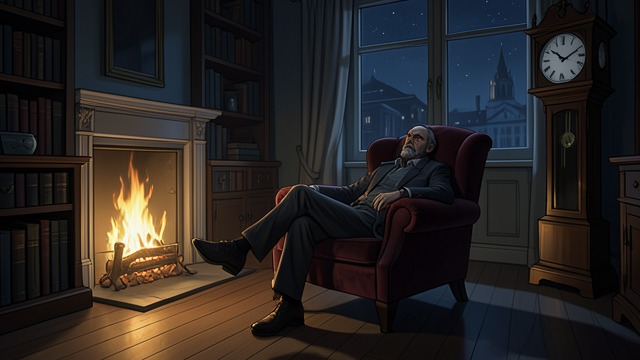
Midnight Present
Suspended Hour
The narrator occupies a late hour marked by exhaustion and uncertainty.
Midnight creates a threshold between ordinary days.
Temporal Vulnerability
The present feels temporary, yet grief makes it seem endless.
Time is already emotionally distorted before The Raven speaks.
December Decline
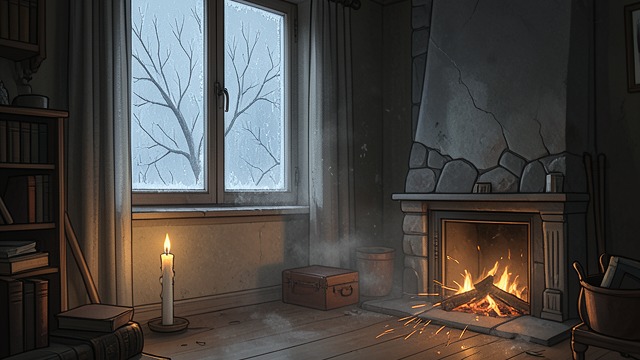
December Decline
Dying Season
December and dying embers establish an atmosphere of decrease.
The external season mirrors the narrator’s emotional exhaustion.
Natural Finality
The imagery suggests that decline is part of the world’s rhythm.
Personal loss appears aligned with a broader movement toward disappearance.
Morrow Desired
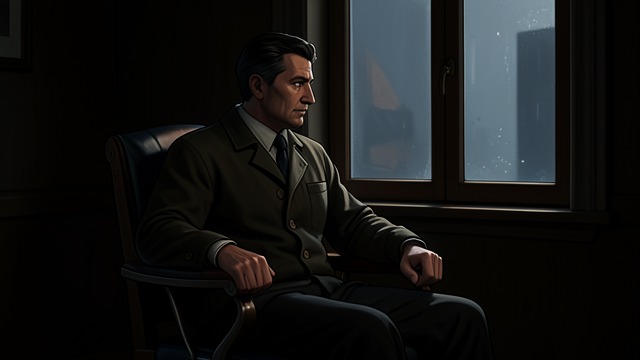
Morrow Desired
Future Anticipated
The narrator wishes for the morrow to arrive.
Morning offers the possibility of change without promising what change will be.
Hope Narrowed
Because the wish is vain, temporal movement already fails as rescue.
The next day cannot undo the previous loss.
Nevermore Repeated
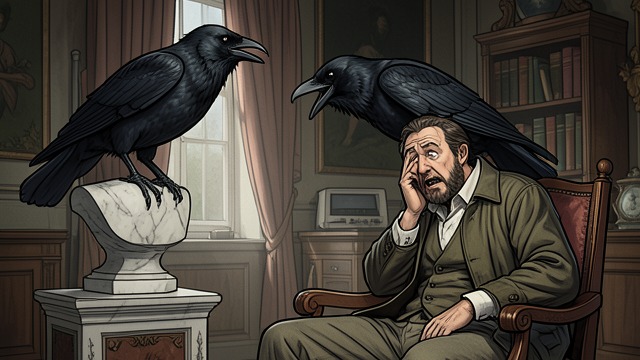
Nevermore Repeated
Return Denied
The Raven’s word repeatedly rejects future recurrence.
The refrain makes time move only toward further absence.
Past as Prison
What has been lost cannot be revisited or repaired.
The future becomes a repetition of the past’s finality.
Eternal Shadow
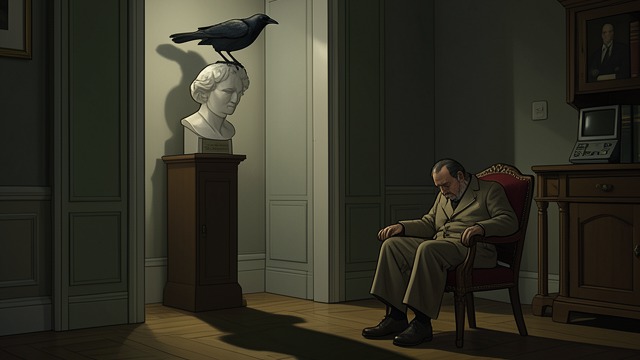
Eternal Shadow
Time Frozen
The Raven remains sitting, and the scene ceases to develop.
Stillness defeats the expectation of eventual departure.
Irreversible Future
The narrator’s soul is lifted nevermore.
The poem ends with time transformed into permanent emotional stasis.
at midnight
during the opening December night
during the opening meditation
during the central dialogue
at the ending
